

Views: 0 Author: Site Editor Publish Time: 2025-11-18 Origin: Site


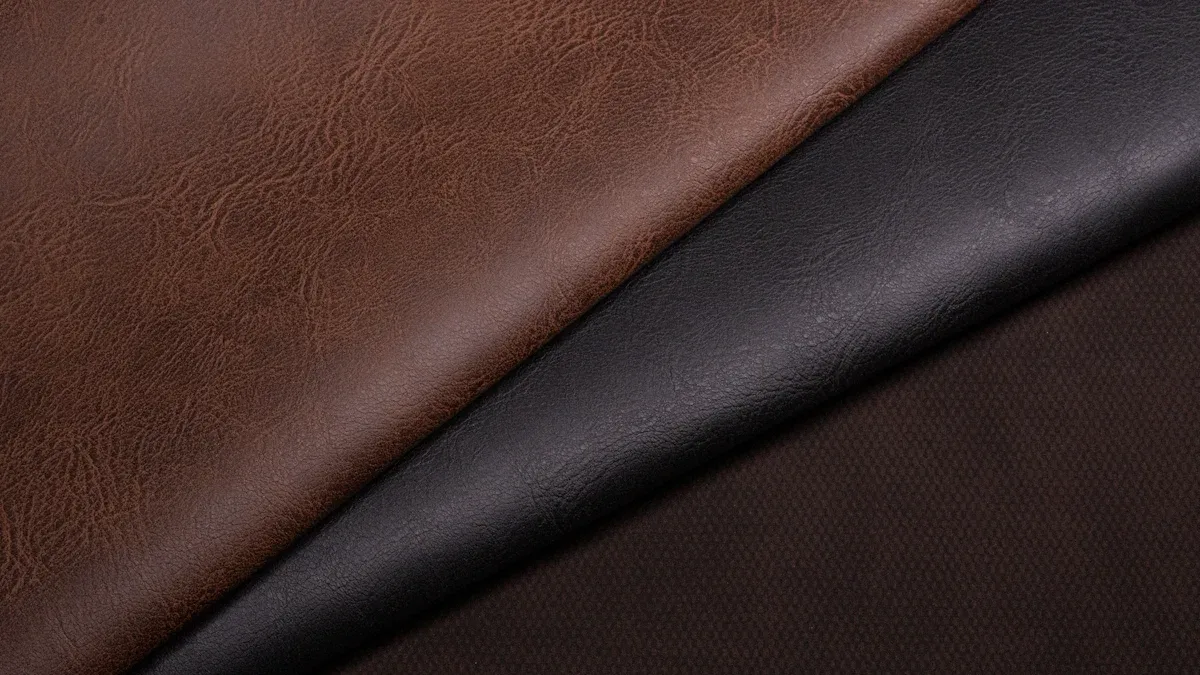
You use PU synthetic leather for things like shoes and car seats. It is also used in electronics. Water and humidity can hurt these products. Over time, the material can break down. A carbodiimide anti-hydrolysis stabilizer helps prevent this damage. Many industries use this solution, especially in Asia. They want their products to stay strong and last longer. People need materials that are tough and work well. More manufacturers now use these stabilizers. They help PU leather last longer and work better.
Carbodiimide stabilizers help PU leather fight water damage. They also protect it from humidity. This makes products last longer.
These stabilizers make PU leather stronger. They help it stay flexible. This stops cracks and peeling as time goes on.
Adding the right amount of stabilizer during making keeps PU leather high-quality. It helps PU leather keep its look and feel.
Picking PU leather with a stabilizer helps the environment. It cuts down on waste and saves resources.
Testing PU blends before making them gives better results. It helps products stay strong and last longer.
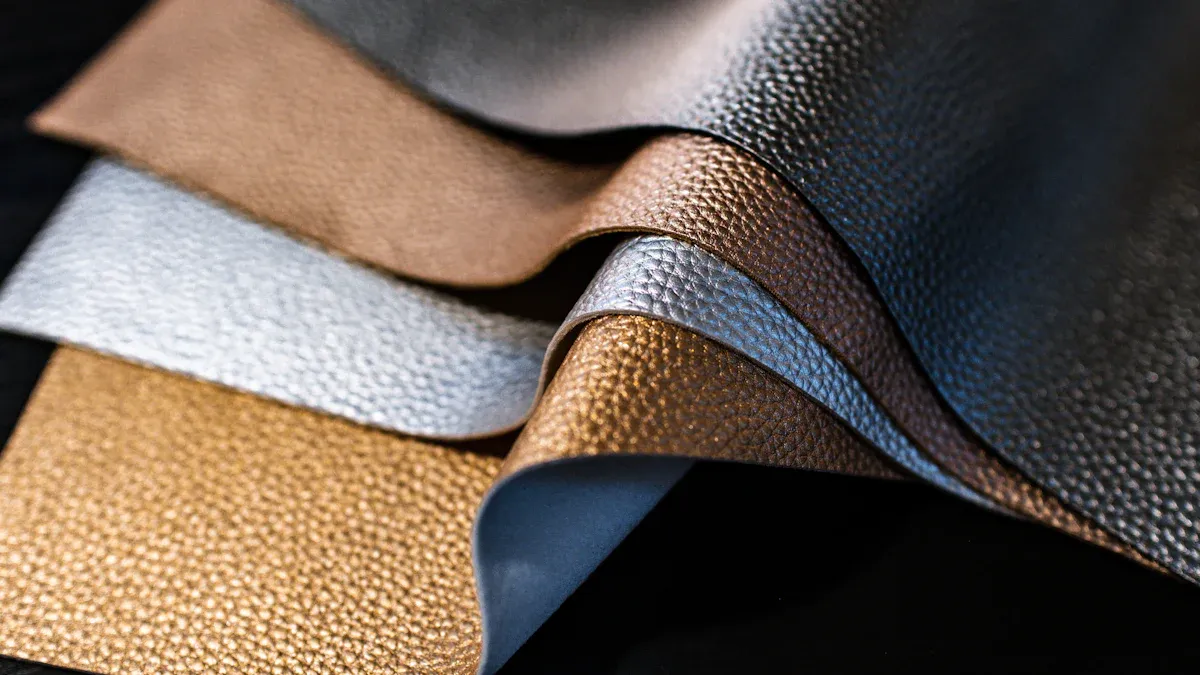
You can find pu synthetic leather in many things. People use it for shoes and car seats. This material has different layers. Each layer does something important. The table below shows the layers and what they do:
Layer | Description |
|---|---|
Substrate layer | Woven or non-woven fabrics like cotton, polyester, and nylon give strength and last a long time. |
Adhesive layer | Sticks the substrate and polyurethane layers together. It helps make the material strong. |
Polyurethane (PU) layer | Makes the material look and feel a certain way. It is made from isocyanates and polyols. This affects how hard or soft it is. |
Surface treatment layer | This layer keeps water out and protects from light. It can also have patterns pressed into it. |
PU has many good points. It goes back to its shape after you stretch it. It does not scratch or get oily easily. Water does not go through it fast. These things make pu a good pick for lots of uses.
PU can break down if it gets wet or is in damp air. This is called hydrolysis. When this happens, the polymers in pu split into smaller parts. Polyester-type pu takes in more water vapor. This makes it break down faster. Using a hydrolysis stabilizer can slow this down. If you do not use a stabilizer, pu can get weak and start to peel or crack. Some chemicals used when making pu can make hydrolysis worse. They break the molecular chains even faster.
Hydrolysis can cause:
The material gets weaker
It stretches more before it breaks
Layers can come apart and the coating can break
Hydrolysis changes how long pu products last. Over time, the color can change. Beige pu can get darker. Black pu can turn gray. Even if the color changes, the material can stay strong with the right finish. But hydrolysis can make pu thinner and cause the top layer to peel. Adding a hydrolysis stabilizer helps pu last longer and look nicer. Without it, pu can crack or peel, especially in hard conditions. You want your products to last, so using a stabilizer is a good idea.
You might wonder why a carbodiimide anti-hydrolysis stabilizer is important for pu. This stabilizer is a chemical that helps stop pu from breaking down when it touches water or moisture. There are two main types. Monomeric carbodiimide has one active group. Polycarbodiimide has two or more active groups. Both types help keep pu products strong and lasting longer.
Carbodiimide stabilizers react with acids made during hydrolysis.
They form a stable compound called acylurea that does not break down easily.
Adding this stabilizer to pu helps stop the material from getting weak.
The stabilizer can fix some broken chains in pu, so it lasts longer.
Your products will be tougher because the stabilizer blocks the main cause of damage.
Carbodiimide anti-hydrolysis stabilizer is important for keeping pu items strong. You can count on this stabilizer to help your products resist peeling, cracking, and other water problems.
You may ask how the carbodiimide anti-hydrolysis stabilizer works in pu. When pu starts to break down, it makes carboxylic acids. These acids can make the damage worse. The stabilizer reacts with these acids right away. This reaction makes a new bond called N-acylurea. This bond is very strong and does not break down with heat or water.
The stabilizer removes harmful acids from pu.
It stops the cycle where acids keep making pu weaker.
The new bonds from the stabilizer make pu chains stable and hard to break.
You get a product that stays strong, even in hot or wet places.
When you use a carbodiimide anti-hydrolysis stabilizer, you protect the inside of pu. This means your products will last longer and look better. Polycarbodiimide hydrolysis stabilizers give even more protection because they have more active groups. You can see your pu products last longer over time. The stabilizer helps you make items that people can use for many years.
When you use a carbodiimide stabilizer in pu, you make the material much stronger. The stabilizer helps the pu resist water and heat. This means your pu leather products can last longer, even in tough places. You might use pu leather for car seats, shoes, or bags. These items often face heat, sweat, and moisture. The stabilizer protects the pu from breaking down. You get a product that stays strong and keeps its shape.
You can see the difference in real tests. Experts use special methods to check how well pu leather stands up to hydrolysis. Two common tests are the ISO 1419: 1995(E) Method C and ASTM D 3690 - 02. These tests put pu leather in hot and wet chambers. They check if the material cracks, peels, or loses strength. The table below shows how these tests work:
Test Name | Description | Criteria |
|---|---|---|
ISO 1419: 1995(E) Method C | Known as the 'Tropical Test', evaluates PU material in a heat and humidity chamber, visually comparing against a control sample for signs of failure. | Generally accepted that residential upholstery should last at least 3 weeks, commercial upholstery 5 weeks. |
ASTM D 3690 - 02 | Involves physical testing after 15 days in a chamber, assessing adhesion, abrasion, and flex resistance. | Must maintain at least 75% adhesion, show no cracking after 25,000 Wyzenbeek cycles, and no breaks after 15,000 flex cycles. |
When you add a carbodiimide stabilizer, pu leather can pass these tests much better. Some studies show that hydrolysis resistance can increase up to four times. This means your products can last four times longer before showing damage. You can trust pu leather with a stabilizer to stay strong in hot and humid places.
You want your pu leather to look good and last a long time. The stabilizer helps stop cracks and peeling. When pu faces water or sweat, it can start to break apart. The stabilizer blocks this process. You get a smoother surface that does not crack easily.
Many people use pu leather for things they touch every day. Shoes, wallets, and car seats all need to stay soft and strong. The stabilizer keeps the pu flexible. It also helps the leather keep its color and shape. You will notice fewer cracks, even after years of use.
Your pu leather stays smooth and soft.
The stabilizer helps the material bend without breaking.
You see less peeling and flaking over time.
The color stays bright and does not fade fast.
You can feel confident that your pu leather products will last longer. The stabilizer gives you peace of mind. You know your items will not fall apart quickly.
You care about the planet. Using a carbodiimide stabilizer in pu leather helps you make better choices. When your pu products last longer, you throw away less. This means less waste in landfills. You also save money because you do not need to replace items as often.
Long-lasting pu leather uses fewer resources. You do not need to make new products as often. This saves energy and raw materials. The stabilizer helps you create pu leather that stands up to daily life. You help the environment by making products that last.
Tip: Choosing pu leather with a stabilizer supports a more sustainable lifestyle. You help reduce waste and protect natural resources.
You can see that using a stabilizer in pu leather is good for you and the planet. You get strong, long-lasting products. You also help make the world a cleaner place.
You add carbodiimide stabilizers to the polyol blend first. This step helps protect pu from water damage. It also makes pu last longer as it ages. Mixing the stabilizer with polyol spreads it evenly. This works for both new and old polyol blends. You can use this method for many types of pu foam and leather. The stabilizer becomes part of the pu structure. It keeps working as the material gets older. This process helps pu leather stay strong and last longer.
You need the right amount of carbodiimide stabilizer for good results. Using too little means pu may not last long. Using too much can change how the leather feels or looks. For Bio-SAH™ 342, use 0.5-1.5% by weight. Most pu leather works best with 1.0%.

Product | Recommended Dosage |
|---|---|
0.5-1.5% wt (1.0% recommended) |
You also need the stabilizer to work with your polyol blend. Tests show carbodiimide stabilizers work with many polyol blends. This is true for both new and old blends. The table below shows pu foam stays high quality. The cell structure is even and smooth. You can use the stabilizer in many pu leather products without trouble.
Foam Type | Polyol Premix Condition | Quality of Foam | Cell Structure | Voids |
|---|---|---|---|---|
K | Fresh/Aged | Good | Uniform | Minimal |
I | Fresh/Aged | Good | Uniform | Minimal |
A | Fresh/Aged | Excellent | Uniform | None |
B | Fresh/Aged | Excellent | Uniform | None |
There are some limits when using carbodiimide stabilizers in pu leather. Over time, the stabilizer can get used up. This happens faster if pu faces lots of water or heat. Pu may not resist aging as well after many years. You can slow this by using the right amount. Make sure the stabilizer mixes well. Always test your pu blend before making a lot. This helps you check color, feel, and strength. Store polyol blends in a cool, dry place. This keeps the stabilizer working well.
Tip: Always follow the supplier’s advice for dosage and mixing. This helps your pu leather last longer and stay strong.
You can make pu leather that lasts and stays strong by following these steps. Your products will look good and work well for many years.
You can tell that carbodiimide anti-hydrolysis stabilizers help PU synthetic leather in many ways. These stabilizers make your leather last longer and keep it strong. The table below shows how they make leather better:
Advantage | Description |
|---|---|
Increase molecular weight and melt viscosity | Makes PU synthetic leather tougher and helps it last longer. |
Improve the stability of hydrolysis | Stops the material from breaking down in wet or hot places. |
Improve processing stability | Lets you use old materials again, which is better for the planet. |
Improve melt strength | Helps make more leather faster during film blowing. |
Improve compatibility | Makes mixed materials work well together for better quality. |
When you add these stabilizers, your leather bends without cracking. You help the earth by making leather that does not wear out fast. You also give people good leather that works for what they need.
You get longer-lasting PU leather. The stabilizer helps your products resist water and heat. This means your items stay strong and look good for more years.
You can use carbodiimide stabilizers with most PU types. Always test your blend first. This helps you check for color, feel, and strength before making a large batch.
You usually will not notice a change in look or feel. If you use the right amount, your PU leather stays soft and smooth. Too much stabilizer can sometimes change the texture.
You add the stabilizer to the polyol blend before making PU. Mix it well for even protection. This step helps your PU leather resist damage from water and heat.
You help the environment by using PU leather with a stabilizer. Your products last longer, so you throw away less. This means less waste and fewer resources used over time.
