


Carbodiimide’s chemical formula is RN=C=NR. Chemists know this as a functional group and a strong reagent. Carbodiimide makes carboxyl groups more active. This helps them react with amines. EDC and DCC are common types. EDC can dissolve in water and reacts in a known way. Many scientists use carbodiimide in building artificial networks. They also use it in self-assembly work. New studies show it works well in making dynamic vesicles. It also helps with macrocyclization.
Carbodiimides, like EDC, are used a lot in chemical synthesis.
EDC’s reactions are well-known and help in many research projects.
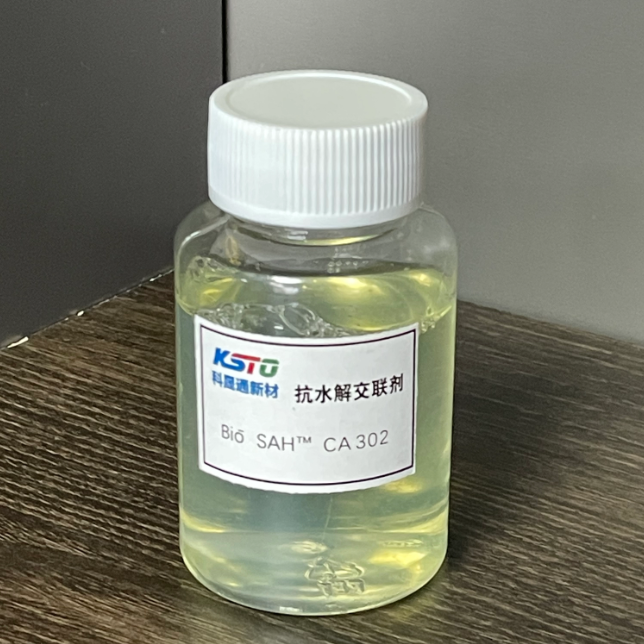
Carbodiimide helps carboxyl groups get ready to join with others. This lets them make amide bonds. Making amide bonds is important for building peptides.
EDC and DCC are types of carbodiimide used in labs. They help reactions happen faster. They also help make more products.
Carbodiimide makes polymers and resins stronger. This helps materials last longer. It also helps them stand up to heat and water.
Safety matters when you use carbodiimide. You should wear safety gear. Make sure the room has good airflow.
Carbodiimide is useful in research and industry. It helps make new medicines. It also helps create better materials.
Carbodiimide has a special structure called RN=C=NR. Two nitrogen atoms are joined to one carbon atom. These atoms are connected by double bonds. The group is straight, so scientists call it linear. The middle part, N=C=N, is important because its electrons can move in different ways. This movement is called resonance. Resonance helps the group stay stable and also makes it reactive.
Note: Carbodiimide’s shape and electron movement make it very useful in chemical reactions.
The table below lists the main things that affect how carbodiimide reacts:
Structural Feature | Description |
|---|---|
Linearity of N=C=N core | The core is straight, which changes how it reacts. |
Resonance structures | There are three main resonance structures. These help with stability and reactivity. |
Bond angles | The C-N=C angles are close to 120°. This changes the way electrons move. |
C=N distances | The double bonds are short, about 120 pm. This makes the group more reactive. |
Chirality | Carbodiimides have C2-symmetry and axial chirality. This affects how they behave in reactions. |
The way electrons move in carbodiimide helps it react with other chemicals. The shape and electron movement let it take part in many reactions. For example, carbodiimide can make carboxylic acids more active. This helps them join with other molecules.
Carbodiimide has different physical and chemical properties. These make it important in chemistry. It can be a liquid or a solid, depending on its type. The free base is a liquid at room temperature. The hydrochloride salt is a solid and melts between 110 and 115 °C. Both types dissolve well in water. This helps scientists use them in many experiments.
Property | Free Base | Hydrochloride Salt |
|---|---|---|
Melting point (°C) | Liquid at RT | 110–115 |
Boiling point | 52–55 °C at 0.3–0.4 mmHg | Decomposes |
Solubility in water | Soluble | >200 g/L |
Carbodiimide reacts easily because of its electrons. The molecule has aromatic features that help keep it stable. This makes it more likely to react with other chemicals. The way the atoms are arranged and the bonds they have let carbodiimide activate carboxylic acids, make amide bonds, and help build peptides. Dicyclohexylcarbodiimide, or DCC, is a common example used in labs.
Scientists use carbodiimide to:
Make carboxylic acids ready for coupling reactions.
Help create amide bonds.
Build esters, amides, and peptides.
These properties and reactions show why carbodiimide is important in research and industry.
Carbodiimide is important in chemistry and industry. Scientists use it to make carboxyl groups more active. It helps connect polymers and makes materials last longer. The main uses are making peptides, changing resins, and building strong polymer networks.
Carbodiimide helps link polymer chains together. It forms strong bonds that do not break easily. This makes materials tougher and protects them from heat and water. In polyurethane glue, carbodiimide makes the bond stronger. Silicone rubber gets better strength and does not age as fast.
Carbodiimide helps make tough polymers.
It makes polyurethane glue stick better.
Silicone rubber gets stronger and lasts longer.
Medical polymers get better strength and control drug release.
Carbodiimide links proteins by joining carboxylic acid and amine groups. It does not stay in the final product. This makes it good for joining molecules and working with polymers. EDC hydrochloride is a common type. It speeds up reactions and helps build strong polymer networks.
Tip: Carbodiimide joins molecules without adding extra atoms.
Making peptides is a big use for carbodiimide. DIC and DCC are popular for this job. Dicyclohexyl carbodiimide, or DCC, helps join amino acids. It reacts with the carboxyl group of one amino acid. This makes an O-acylisourea intermediate. The intermediate reacts with another amino acid’s amino group. This forms a peptide bond.
DIC is important for building peptides on a solid support. DCC works in both liquid and solid phase peptide making. These chemicals make the process faster and easier. Scientists use solid phase peptide making to study proteins and make new medicines.
DCC helps join amino acids in peptide making.
DIC is needed for solid phase peptide making.
Solid phase peptide making uses DIC and DCC.
DIC makes solid phase peptide making work better.
DIC helps join peptides for research and medicine.
DIC helps make complex proteins on solid supports.
The table below shows how carbodiimide helps activate carboxyl groups:
Application Type | Description |
|---|---|
Peptide Synthesis | DIC is needed for solid phase peptide making and helps join amino acids. |
Esterification | DIC helps make esters from acids and alcohols for medicine and perfumes. |
Polymer Chemistry | Used to link polymer chains and make tough materials. |
Deprotection Reactions | Helps remove protective groups without hurting other parts. |
Carbodiimide makes resins stronger and work better. EDC, a common type, stops enzymes in dentin. This keeps collagen from breaking down and makes dental glue stronger. Crosslinking agents like carbodiimide slow down movement in resins. This makes bonds last longer.
Carbodiimide also helps PLA resins resist water damage. It grabs carboxyl groups and stops fast breakdown. This makes the material last longer.
The table below shows how carbodiimide helps resins and polymers last longer:
Evidence Description | Contribution to Resin Modification and Polymer Durability |
|---|---|
Ethyl-3-(3-dimethylaminopropyl) carbodiimide (EDC) stops dentin enzymes | Keeps collagen safe and makes glue last longer. |
Cross-linking agents stop dentin enzymes | Slows movement and makes bonds last longer. |
Carbodiimide helps PLA resins resist water damage.
It works as a strong anti-hydrolysis agent.
Using carbodiimide in resins makes materials last longer.
Note: Carbodiimide makes resins and polymers stronger and more useful.
Scientists use carbodiimide in many kinds of research. This reagent helps make new materials and better medical treatments. Researchers often pick dcc to make peptides and proteins. Dcc is also important for making new medicines and learning about proteins.
Scientists use carbodiimide to make nanoparticles and liposomes for drug delivery. These carriers help medicine go to the right place in the body and lower side effects.
Researchers use carbodiimide to change the surface of biomaterials. This makes implants safer and helps them work better in the body.
In electronics, carbodiimide helps make special polymers. These materials can carry electricity or light, which is important for new devices.
Note: Carbodiimide lets scientists join molecules without leaving extra atoms. This makes it very helpful in research.
A new way uses carbodiimide to make nitrogen-rich polymers. This way lets scientists control the shape of these materials. It helps make plastics that act more like natural proteins.
Attribute | Description |
|---|---|
Methodology | Uses safer chemicals instead of heavy metals for making carbodiimide. |
Environmental Impact | Supports green chemistry by using safer reagents. |
Yield | Gives high product yields and easy purification. |
Limitation | Making some types, like 1,3-dialkyl carbodiimide, is still hard. |
Many industries need carbodiimide-based reagents. Dcc is important in the pharmaceutical industry for making peptides and proteins. These products help make better medicines.
In polymer chemistry, carbodiimide makes plastics stronger and last longer. It helps make biodegradable plastics that break down safely.
Cosmetic companies use carbodiimide to keep products stable and help active ingredients work better on the skin.
Food companies use carbodiimide to keep flavors fresh and stable in packaged foods.
The table below shows how different industries use carbodiimide:
Industry | Application Description |
|---|---|
Polyester (PET) | Carbodiimide slows down breakdown in PET bottles, keeping them clear and strong. |
Polyurethane (PU) | It helps car parts last longer and look better. |
Biomedical devices | It keeps wound dressings and catheters strong and safe. |
Coatings and adhesives | It stops coatings from breaking down in wet conditions. |
Recycling and sustainability | It helps recycled plastics keep their quality and strength. |
Tip: Carbodiimide helps products last longer and work better in many industries.
Carbodiimide, like EDC, can be risky if not used carefully. This chemical can bother your skin, eyes, and breathing. People working with carbodiimide need safety gear. Storing it the right way keeps it safe and stable. The table below lists the main dangers:
Hazard Type | Description |
|---|---|
Corrosiveness | EDC can burn skin, eyes, and lungs. |
Personal Protective Equipment | You must wear the right safety gear with EDC. |
Storage Conditions | Keep it cool and dry. Avoid heat, water, and things it reacts with. Make sure air can move. |
People using carbodiimide in labs must follow safety rules. These rules keep people and nature safe.
Always wear gloves, goggles, and a lab coat.
Work where air moves well or use a fume hood. This stops you from breathing dust.
Store EDC HCl in closed containers in a cool, dry spot. It is best to keep it cold at -20°C.
Do not let it touch your skin or eyes. Wash your hands after using it.
Handling carbodiimide the right way keeps everyone safe. Good storage and careful use also protect the environment. By following these rules, people can use carbodiimide safely in labs and factories.
Carbodiimide is very important in chemistry. Its RN=C=NR structure helps scientists do many things. They can make amide bonds, change polymers, and invent new medicines. The table below explains why carbodiimide is useful in labs and factories:
Application/Benefit | Description |
|---|---|
Activation of Carboxylate Groups | Makes carboxylate groups ready to form amide bonds. |
Zero-Length Cross-Linkers | Joins molecules without adding extra atoms. |
Water Solubility | Works well in water-based reactions. |
Higher Yields | Helps make more of the desired product. |
Control Over Conjugation | Gives control in joining molecules. |
Ambient Temperature Reactions | Works at room temperature. |
Versatility in Functional Group Synthesis | Useful for making esters, amides, and more. |
Carbodiimide helps research and industry grow. Scientists use it for safer and greener ways to work. It helps make new medicines and strong materials. Its use in advanced polymers gets bigger every year.
Carbodiimide makes carboxyl groups more active. This lets them join with amines to make amide bonds. Scientists use carbodiimide to build peptides and link molecules together.
Carbodiimide can bother your skin, eyes, and lungs. People in labs should wear gloves, goggles, and lab coats. Good airflow helps keep everyone safe.
EDC (dissolves in water)
DCC (used for making peptides)
DIC (used for solid-phase work)
Each kind has its own use in science and industry.
Yes, EDC mixes with water and works in water-based reactions. This helps scientists join molecules in biology and medicine.
Use | Benefit |
|---|---|
Crosslinking | Makes polymers harder |
Resin modification | Helps stop water damage |
Medical polymers | Makes them stronger and safer |
Carbodiimide makes strong bonds that help things last longer.
